Hiring | August 3, 2026
12 Questions to Ask Before Hiring an Interior Designer in Seattle
By Neha Gupta, founder and principal designer, NU Curations, Seattle
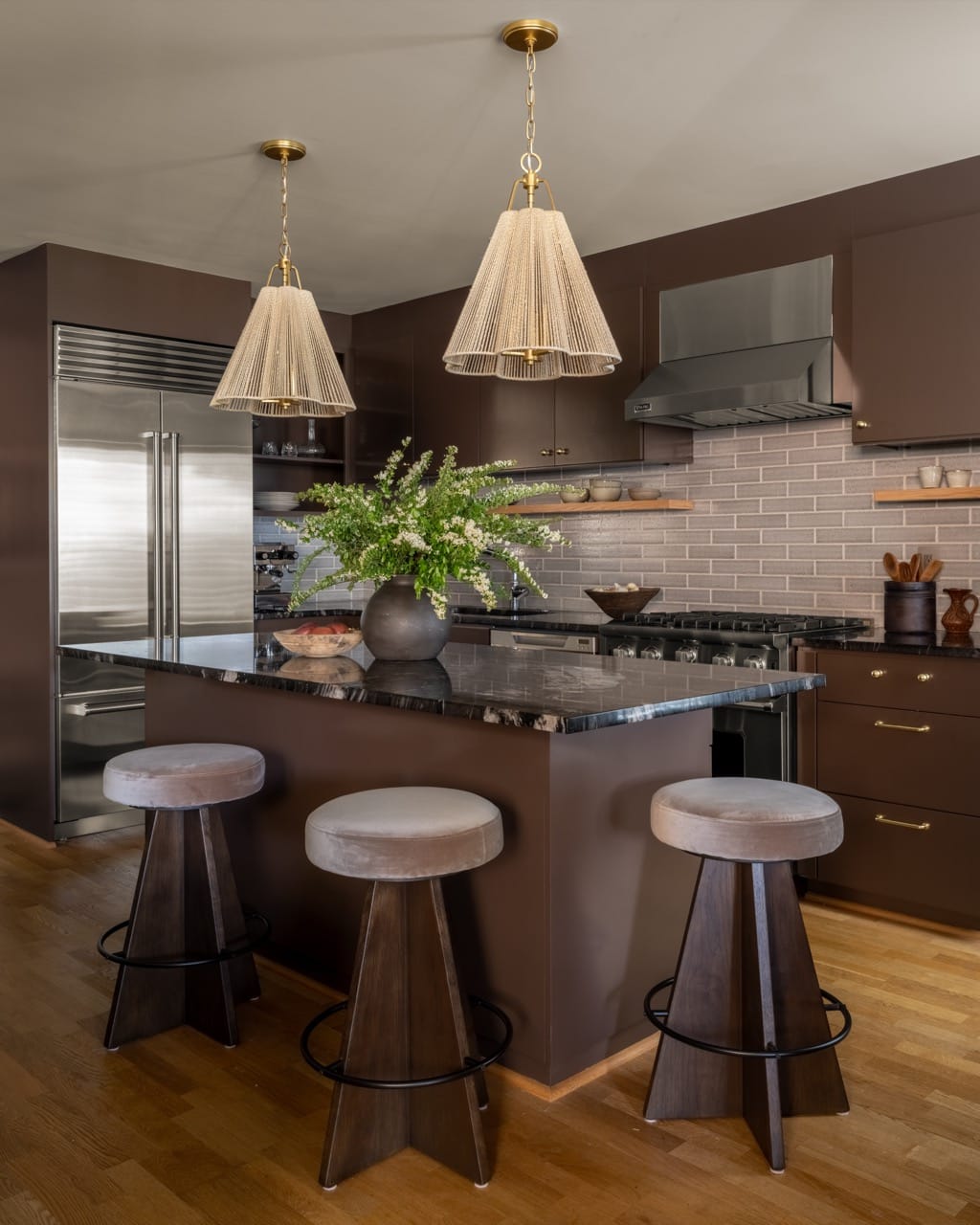
A design consultation goes both ways. We are deciding whether a project is right for us, and you should be deciding the same thing about us. The homeowners who get the best results are the ones who show up with real questions, so here are the twelve we think are worth asking any Seattle designer, including what a good answer sounds like. Yes, we are handing you the quiz we will be graded on.
What should you ask before hiring an interior designer?
Ask about fit, money, process, and execution, in that order. Fit questions tell you whether the designer listens; money questions tell you whether they are honest; process questions tell you whether the project will feel organized; execution questions tell you what happens when something goes wrong, because something always does.
Fit: will this designer design for you?
1. What do you need to learn about us before you design anything?
The answer should be about how you live, not what you like on Pinterest. A designer who starts with routines, gathering habits, and what is not working will design a home that functions. One who starts with style words will design a photograph.
2. Can I see a project that is not your usual style?
Every portfolio shows a signature. What you want to know is whether the designer can serve your taste when it differs from theirs. A good answer names a project and what the client wanted; a weak answer redirects you to the signature.
3. Will you work with pieces we already own?
If everything you own has to go, you are buying a showroom. We think a home should keep the pieces with history in them; the designer's job is to make them read as collected, not to erase them.
4. Who will we actually work with day to day?
At larger firms, the person who wins your business may not be the person who designs your home. At NU Curations the answer is short: you work with Neha. Whatever the studio, get a name.
Money: the questions that reveal honesty
5. How do you charge, and what does my scope typically cost?
If a designer cannot explain their fee structure in two sentences, keep looking. You are also allowed to expect a realistic range for your scope after one conversation, even if the precise number comes later.
6. What is not included in your fee?
Design fees, construction costs, and furnishings are three separate budgets. A trustworthy designer volunteers this before you ask and tells you where the ranges come from. Surprises here are the number one source of mid-project resentment.
7. What happens if my budget cannot support my scope?
The answer you want: we will tell you in the first conversation, and we will tell you what the budget can do instead. The answer you do not want is a design that quietly assumes the budget will grow.
Process: will this feel organized?
8. What do I approve before anything is purchased?
You should approve the direction, the layouts, and every significant selection before orders are placed. Ask to see what a presentation looks like. Renderings and physical samples mean decisions you can trust; a mood board alone means guessing.
9. How long will my project realistically take?
For a Seattle kitchen or bathroom remodel, an honest answer sounds like three to six months end to end, with lead times called out separately. An answer without lead times in it is a sales answer.
10. Have you worked on homes like ours?
This matters more in Seattle than most cities. A designer who has opened up a 1920s Craftsman kitchen knows what discovery conditions look like and designs with the house instead of against it. Ask what surprised them on the last old house they touched; the good ones have stories.
Execution: what happens after the pretty part
11. How do you work with contractors, and do we need ours yet?
Design and construction are separate roles: we design and document, your licensed contractor builds, and coordination between the two is part of our job. A designer should be glad to work alongside a contractor you trust, and should tell you when to bring one in (earlier than most people think).
12. What happens when something arrives damaged or wrong?
Something will. The answer you want is a process: who notices, who files the claim, who chases the replacement, and whether you will hear about it before or after it is solved. The answer you do not want is reassurance that it rarely happens.
Before the consultation
Bring your real budget number, photos of the spaces, and a sense of what is not working. You do not need a resolved vision; that is the work, and it is ours to do with you. If you are interviewing several designers, ask all twelve questions of each and notice who answers plainly. Plain answers now predict plain answers in month three, when they matter more.